Monday, December 23, 2024

Experts Explain: Your Toyota RAV4 Tires

The classic and lovely Toyota RAV4 its reliable with amazing safety features and even better mileage, cargo space, and of course updated tech. Now if you’re looking at getting this SUV or already have one, you’ll need to know all about your tires. Our Toyota of Orlando experts are breaking down everything you need to know, from the tire size to tire pressure. 

Orlando Toyota RAV4

Toyota RAV4 Tire Pressure: What Is It and How to Check It!

Before we get into the nitty-gritty, you’ll need to know the Toyota RAV4 tire pressure! You’ll need to check your tire pressure at least every other week to make sure they’re getting the right amount of air. In addition to this, if your tire pressure light is on, you’ll know it's time. Here’s what you should know about your Orlando Toyota.

What is it? 

  • Your PSI should be between 30 and 35 PSI on each tire. To be sure this is right for your Toyota RAV4 tires, you’ll want to check the owner’s manual. 

  • Now each tire requires a different PSI based on the make and model. If you’re not sure about your Toyota RAV4 tires, our Orlando Toyota techs can help you!

How to Check It! 

So, now you know what the PSI should be on your Toyota RAV4 tires, but how can you check it? We’ve got you covered!

  • Check your dash. On the newest Orlando Toyota’s, you’ll have a tire pressure monitor, and you can check each tire. It’ll even provide a notification when one of them is getting low.

  • If you own an older Orlando Toyota, you can use a tire pressure gauge. This is pretty reliable; all you have to do is remove the cap from the stem on your tires, place the gauge, and the reading will show up. Once you’re done, place the cap back on Toyota RAV4 tires, and you’re done! 

It’s so important to know all this info about your RAV4 tires. If you don’t have enough air in your tires, they’ll be underinflated, resulting in lower MPG's, so you can't get a real grip on the road! With overinflated tires, this can cause a blowout while you’re on the highway or even driving on a regular Orlando road! Back to the Toyota RAV4 tires. We’re talking about your tire size! 

Orlando RAV4 Tires

Toyota RAV4 Tire Size: What’s yours?

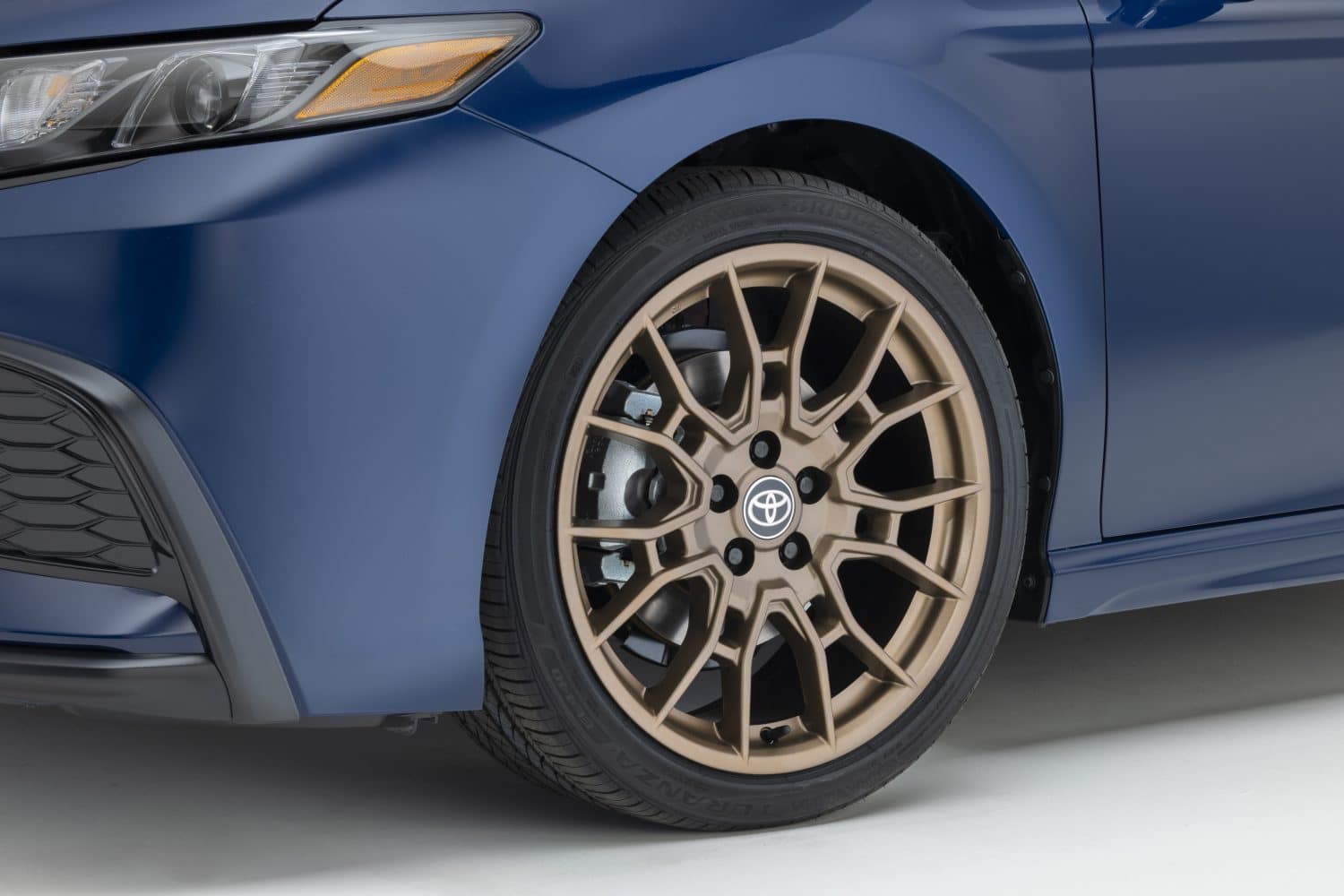
Based on your RAV4 model, you’ll have different-sized tires! Here’s what you’ll be looking at for your Toyota RAV4 tire size, typically. 

  • 225/65R17

  • 225/60R18

  • 245/45R20

  • 235/55R19

If you’re not sure what RAV4 tires you have, our Toyota of Orlando experts can help you. You need to know what types of tires you’ll need or want based on where you’re driving to and from! Don’t forget to factor in your favorite adventures. If you're still not sure which Toyota RAV4 tires are for you, opt for all-season tires. 

Everything you need: Toyota RAV4 tires and more

Still not sure about your Toyota RAV4 tires, tire pressure, or just needing a new set? Our Toyota of Orlando experts can help you! You can find us at 3575 Vineland Road; we’re just off I-4 across from the Mall at Millenia. You can even give us a call at (407) 298-0001.


Monday, November 11, 2024

A Guide to Toyota Highlander Tire Pressure

You love your Toyota Highlander, and so do we! Whether it’s old or new, you have to know about the tires. Having this info is important to get you and your passengers around Orlando safely. To keep your ride intact, you’ll need to stay up to date on your routine car maintenance. We’re getting into one of the most important aspects, the Toyota Highlander tires. 


What to know about your Toyota Highlander Tires

Now the first thing you need to know about ride is the Toyota Highlander tire pressure. Having low air or even too much air pressure can have some pretty bad consequences. We know it can be stressful, but with built-in tech like the TPMS (Tire Pressure Monitoring System), your car is in safe hands. With tech like this, you’ll see alerts pop up right on your dash if one or more of your Toyota Highlander tires has low air. Some of the older Toyota’s might not have this feature; here is how you can find out.

Toyota Highlander tires


How to Check Your Toyota Highlander Tire Pressure

If you don’t have the up-to-date tech in your Toyota, you’ll want to use the old-fashioned way. To do this, you’ll want to make sure you have a gadget called a pressure gauge, and you’ll need to know what the PSI level is recommended for your tires. With all this said, let’s get into it.

  • To accurately check your Toyota Highlander tire pressure, you’ll want to remove the cap from the valve stem right on your tire and use a pressure gauge to get the reading. You’ll even be able to see when your tires are getting a bit low. 
  • So, you’ve got your reading, but how do you know it’s at the right amount? We’ll Toyota of Orlando experts recommend checking your owner’s manual first! If you still can’t find it here, it is.
    • Your Toyota Highlander tire pressure for the front tires is 36 PSI.
    • The Toyota Highlander tire pressure for your rear tires is 36 PSI.

It’s as simple as that! Now, if you ever forget, you can always check out your owner’s manual or Toyota app. On certain cars, you’ll even see the PSI on a sticker right on the inside of your driver’s door.

Orlando Highlander


Your Toyota Highlander Tire Size: It Matters!

Now you know the Toyota Highlander tire pressure, how to check your tire pressure, and even what tools you’ll need. But do you know that the size of your tires is important? Here’s a few things to keep in mind when doing your routine car care. 

  • The Orlando Toyota Highlander is typically equipped with all-season tires that come with a spare.
  • Each model and year have tire sizes that vary, so you’ll want to check your owner’s manual, or you can ask one of our Toyota of Orlando service techs! Now, if you have a 2024 Toyota Highlander, here are the tire sizes you’ll see:
    • 245/65R17 
    • 235/65R18
    • 245/60R18
    • 245/55R19
    • 235/55R20

Knowing the size of your tire all ties back to your Toyota Highlander tire pressure! Having all this info will make taking care of your Toyota even easier. Here’s just a few more things that’ll make taking care of your Toyota even easier.

Highlander Tire Pressure


Top Care Tips for Your Toyota of Orlando Ride

We’ve talked about size, tire pressure, and even what tools you’ll need to get this all done. Our experts at Toyota of Orlando want you to know what we know—how to care for your tires.

  • Tire Rotations: These are so important to get done about every 5,000 to 6,000 miles. The tire rotations allow your tires to wear out evenly and last longer without replacement.
  • Replacement: If you have worn-out tires, it’s extremely important to replace your tires as soon as possible. By avoiding when you need a tire replacement, it can lead to losing traction and can result in an accident. 
  • Worn-out tires: it’s important to check your tread; you can see if it’s getting low or wearing out unevenly. 
  • Uneven wear out: If you’ve noticed uneven worn-out tires, you’ll need an alignment and balancing of your tires. 

Schedule your maintenance appointment today! 

Need new tires or just looking for some help with your Toyota Highlander tire pressure? We’ve got you covered; schedule your service appointment today! Toyota Orlando is located just off I-4 near the mall at Millenia. You can even give us a call at (407) 298-0001.

Friday, September 6, 2024

Different types of car scratches and what to do with them

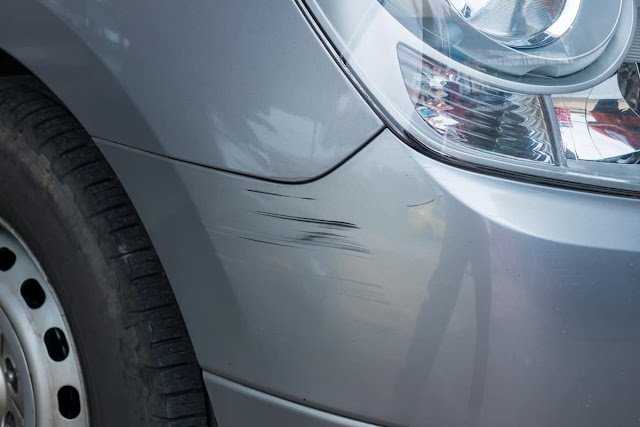
If you’ve scratched your car you should definitely get it patched up or fixed soon because it can further paint damage and rusting. Our Orlando auto body repair experts are Making it Simple and put together a guide to the types of car scratches. You’ll need this guide when you are deciding how you want to handle the damage to your car. Let’s get into it. 

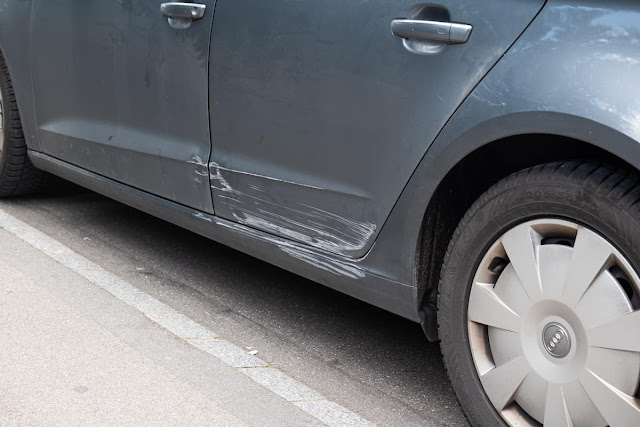
types of scratches on car

5 different types of car scratches

If you’re wondering how many types of car scratches there are, it’s five. Each five of these scratches can be taken care of by our Orlando Collision Center techs. Here’s what you need to know:

  1. One of the easiest scratches to clean up are surface-level scratches – they typically come from accidental contact with debris like branches or other small objects. They don’t have any depth to them, but they do show up on your car paint and damage the finish of your car. They’re easy to get rid of, all you need is a microfiber cloth and car scratch remover. 

  2. Clear coat scratches are the types of car scratches that can be taken a lot more seriously. These are also known as scuffs, so you’ll definitely want to bring your vehicle to Toyota of Orlando to take care of these types of scratches. Our expert techs will use special tools, polishes, and techniques to buff the scratch out. This will help make sure your car’s paint looks flawless. 

  3. If your Toyota gets a deep scratch – you’ll definitely want to take it to our Orlando auto body repair experts. This type of car scratch usually comes from car accidents and collisions. Our experts definitely do not recommend paint pens to fix this type of car scratch. The finish will be subpar and the damage will be noticeable. Bare metal can rust and cost you even more in repairs.

  4. If someone gives your car a vandalism scratch – it’s something you shouldn’t take lightly. An example of a vandalism scratch is someone keying your car. These types of car scratches are deep and will need professional expertise to get them taken care of. 

  5. Paint transfers happen when you get into an accident with another car. These are the types of car scratches that aren’t too hard to get rid of, but our Orlando auto body repair techs can help take of them. They’d use special compounds to remove the transferred paint and ensure that your car’s paint can be maintained. Definitely consider scheduling an appointment to get that fixed.

Orlando Toyota car collision


How much does car scratch and car scuff repair cost?

So, what does the car scratch and car scuff repair look like? There’s not a simple answer because it’s truly situational. A typical car scruff repair cost can be anywhere from $150 to $500 depending on the size, depth, and severity. Obviously, the deeper the scratch is the more expensive the car scruff repair cost will be. We recommend bringing your car, and whatever type of car scratch it has, to Toyota of Orlando’s Collision Center. 

Schedule repairs for all types of car scratches at Toyota of Orlando

If you’re looking to get rid of whichever types of car scratches were listed, you should talk to one of our Orlando Toyota auto body repair experts at (407) 298-0001. You can also stop by in person at our Collision Center at 3575 Vineland Road.


Friday, July 26, 2024

What is the Toyota Camry tire pressure?

There are different types of technologies in the Orlando Toyota land that’ll help you check your Toyota Camry tire pressure. Here’s what the technology looks like. 

  • The Tire Pressure Monitoring System (TPMS):  This helps detect when your Toyota Camry tire pressure is getting too low and will display the warning on your dashboard. Essentially, it’s a built-in pressure monitoring system.

  • Tire Pressure Gauge: This is a tried and true tire pressure checker system. This helps check all Toyota Camry tire pressure – including the older ones. You can measure the PSI with the tire pressure gauge – just simply remove the stem cap and place the gauge on the valve stem.

So we know how to check the Toyota Carmy tire pressure – but how much PSI (Pounds per Square Inch) do you need? Our Orlando Toyota techs are gonna get into it.

Where can I find the recommended Toyota Camry tire pressure?

Toyota Camry Tire Pressure

All Orlando Toyotas have a different tire pressure as it depends on a couple of factors – mainly the size of the tires. If you don’t have a Toyota Camry, but are still looking for the PSI, you can look in a couple different places. Here’s where you can keep an eye out:

  • Owner’s manual

  • The sticker on the inside of your driver’s door

  • Talk to one of our Orlando Toyota experts

But, anyway, the recommended Toyota Camry tire pressure is 35 PSI for both front and rear tires. Always be sure that you’re not going overfilling or underfilling your tire because it can affect your tires and the way you drive.

Checking your tire pressure is important

As it was just mentioned, overfilling or underfilling your tires can affect your tires and the way you drive – which inevitably results in the lifetime of your Orlando Toyota depleting. Here are just a few ways your tire pressure can affect you and your car.

  • If you overfill your tires and go at high speeds, you can potentially have a blowout.

  • If you underfill your tires, you won’t have the same resistance to debris on the road which will result in a flat.

  • The tire pressure being lower than recommended can cause excessive treadwear and overheating.

  • If you decide to overinflate your Toyota Camry tires, it can reduce the brake function and cause tread wear.

All of these reasons can be dangerous to you, your passengers, and the people on the road. You may lose control of your Orlando Toyota and potentially end up in a collision. Please take immediate steps and make sure your tire pressure is at the recommended level.

Schedule an Appointment with our Orlando Toyota Service Techs

Our Orlando Toyota experts always recommend checking your Toyota Camry tire pressure by keeping an eye on it regularly. If you’re still unsure how to check your tire pressure or just not sure how to fill them with air yourself, come on down to Toyota of Orlando. Located just off I-4 across from the Millenia Mall, or give us a call at (407) 298-4500.

Tuesday, May 21, 2024

Should You Consider Cars With 360 Camera?


Are you on the market for a new ride? Something to consider when shopping for your next vehicle is all the new technology and safety features on the market. Rearview cameras are a must have for most people, but our Orlando Toyota team is here to talk about cars with 360 cameras and everything they can do. Let’s take a look to see if this is something you need in your ride!

cars with 360 camera


Toyota of Orlando Guide to the 360 Car Camera 

At Orlando Toyota, we call the 360-degree camera a Panoramic View Monitor. The goal of this feature is combining multiple camera angles to create an overhead composite image of your vehicle and surroundings. Cars with 360 camera are typically easier to park (especially backing in or parallel), and drivers benefit from the ability to physically see objects and people near their car. 

How 360-Degree Car Camera Technology Works 

Now that we know what 360 car cameras do for your Orlando Toyota, let’s take a look at how this feature really operates:

  • Four (and sometimes more) cameras are capturing your surroundings in real time from all sides of your vehicle. 

  • Your Orlando vehicle’s technology will combine all four of these camera views into a single, panoramic image. The best way to describe it is a “bird’s eye view”, so you can see your vehicle from above and several feet on each side of you as well. 

  • Unlike the standard rearview camera, this eliminates any blind spots when you’re in reverse.

  • You can also utilize the split screen option to view both the overhead image and other camera angles simultaneously. 

Interested in Toyota of Orlando Cars with 360 Camera?

A lot of our newer, higher trim level vehicles feature the Panoramic View Monitor. These are the 2024 models you might want to consider:

  • Toyota RAV4 + RAV4 Hybrid + RAV4 Prime

  • Toyota Highlander + Highlander Hybrid

  • Toyota Grand Highlander + Grand Highlander Hybrid

  • Toyota Tundra

  • Toyota Sequoia

  • Toyota Prius + Prius Prime

  • Toyota Sienna

  • Toyota Camry + Camry Hybrid

  • Toyota 4Runner

  • Toyota bZ4X

  • Toyota Crown

  • Toyota Venza

  • Toyota Land Cruiser

  • Toyota Tacoma

As you can see, that’s a lot of options! This feature is obviously going to add a little to the cost of your vehicle, but it’s well worth it for the peace of mind it offers. Safety features are the best must have to splurge on if you ask us!

Orlando Toyota car cameras


Installing an Aftermarket 360 Camera

Of course, you do have the option to add the 360 degree car camera to your vehicle. However, it is not extremely cost-effective and will not operate with the same quality as a factory system. Aftermarket 360 car cameras cannot be tailored to your specific vehicle, and they can be extremely pricey. We’d recommend purchasing a car with this feature already installed if it’s a must have for you!

Check Out Cars With 360 Camera at Toyota of Orlando 

Looking for a new car with great new safety technology? Head over to Toyota of Orlando today! We’re ready and waiting at 3575 Vineland Road, just off I-4 across from the Mall at Millenia.


Tuesday, May 14, 2024

Your car battery test and signs of a failing car battery

Updated July 2026

Your car battery is something most drivers don't think about until it fails... and unfortunately, it usually chooses the worst possible moment. Whether you're trying to leave for work, pick up the kids, or head out on a road trip, a dead battery can leave you stranded and frustrated. That's why scheduling a car battery test is one of the easiest ways to avoid unexpected breakdowns.

A quick battery test can tell you whether your battery is healthy, beginning to weaken, or needs immediate replacement. At Toyota of Orlando, our certified technicians can perform a professional car battery test in just a few minutes and help you stay ahead of battery problems before they leave you stuck.


Executive Summary

  • A professional car battery test can help identify battery problems before they lead to a no-start situation. 
  • If your vehicle is slow to start, your battery warning light is illuminated, your headlights are dim, or you notice corrosion around the battery terminals, it's time to have your battery checked. 
  • Orlando's hot climate can also shorten battery life, making routine testing especially important. 
  • Toyota of Orlando recommends having your battery tested at least twice a year or during regular maintenance visits.

Why is a car battery test so important?

Your car battery does so much more than start your engine. It sends power to your starter motor, ignition system, onboard computers, infotainment system, lights, safety features, and other electrical components. As you can plainly see, without it you're going nowhere fast. 

Over time, every car battery naturally loses its ability to hold a charge. Heat, vibration, age, and repeated short trips can all speed up this process. In Florida, high temperatures are especially tough on batteries because excessive heat causes the chemicals inside to break down faster. The good news? A professional car battery test can detect these problems before your battery completely fails.

Instead of finding out your battery is dead in your driveway (or worse, in a parking lot after work) you'll know ahead of time whether it's time to replace it.


Signs of a failing car battery


4 signs your car battery might be failing

Car batteries don't fail without giving you some type of warning. If you notice any of these symptoms, it's a good idea to schedule a car battery test at Toyota of Orlando as soon as possible.

1. Your battery warning light comes on

One of the most obvious warning signs is the battery-shaped light appearing on your dashboard. While this doesn't always mean the battery is bad, it does mean there's a problem somewhere in your charging system. It could involve the battery, alternator, or related electrical components. Either way, it's worth having inspected right away, so bring your ride to Toyota of Orlando.

2. Your vehicle is slow to start or won't start at all

If you turn the key (or press the start button) and your engine cranks much slower than usual, your battery could be losing its charge. You might also notice:

  • Slow engine cranking
  • Clicking noises
  • Multiple attempts before the engine starts
  • Complete failure to start

Don't wait until it refuses to start entirely. A battery test can tell you if the battery is the culprit.

3. Your headlights look dim

Your battery helps supply electrical power to your lights.  If you notice your headlights seem dimmer than normal, especially while you're idling, or your interior lights flicker, your battery might not be delivering enough voltage.

Electrical accessories like your radio, power windows, or touchscreen might also behave strangely when battery voltage begins dropping.

4. You notice corrosion around the battery

Open your hood and inspect your battery terminals. If you see:

  • White powder
  • Blue-green buildup
  • Rust-like deposits

then your battery might have corrosion on the terminals.

Corrosion can interfere with electrical connections and reduce the battery's performance. Sometimes cleaning the terminals helps, but significant corrosion can also mean the battery is nearing the end of its lifespan. If you're unsure what you're looking at, our Orlando Toyota technicians can inspect it during a car battery test.

What causes car batteries to fail?

Many drivers assume batteries only fail because they're old, but there are actually several factors that can shorten battery life. Common causes include:

  • Florida's extreme summer heat
  • Frequent short trips that don't fully recharge the battery
  • Leaving headlights or interior lights on
  • Using electronics while the engine is off
  • Corroded battery terminals
  • Loose battery connections
  • Age (most batteries last about 3–5 years)

If your battery is approaching that age range, regular testing is even more important.


Toyota of Orlando service


What happens during a car battery test?

A professional car battery test is quick, simple, and much more accurate than trying to judge battery health based on symptoms alone. Your Orlando Toyota service technician connects specialized battery testing equipment to your battery. The tester measures:

  • Battery voltage
  • Cold Cranking Amps (CCA)
  • Overall battery health
  • Ability to hold a charge
  • Charging system performance

After just a few minutes, the tester provides one of three results.

Understanding your battery test results

Good

This is the best possible outcome. A "Good" reading means your battery is healthy and performing as expected.

However, keep in mind that battery health changes over time. Florida's hot summers can accelerate battery wear, so it's still a good idea to have it checked during future maintenance visits. Even a healthy battery benefits from routine inspections.

Weak

A "Weak" result means your battery is starting to lose capacity. This doesn't necessarily mean you need an immediate replacement, but it does mean you're more likely to experience starting problems, especially during extreme heat or after your car sits unused for several days.

Your technician might recommend monitoring the battery closely or planning for replacement soon.

Replace Now

If your battery receives a "Replace Now" reading, it's reached the end of its useful life. Replacing it right away can help prevent:

  • Unexpected no-start situations
  • Getting stranded
  • Additional stress on your starter and charging system

Waiting too long could leave you needing a tow instead of a quick battery replacement.


How often should you get a car battery test?

Our Orlando auto service experts recommend having your battery tested:

  • At least twice per year
  • During routine maintenance visits
  • Every 6,000 miles
  • Before long road trips
  • Before summer and winter driving seasons
  • Anytime you notice warning signs

Many drivers choose to have their battery tested during an oil change since it's a quick inspection that can provide valuable peace of mind.

Can you test your battery yourself?

You can purchase handheld battery testers or use a multimeter to check your battery voltage at home. However, these methods don't always provide a complete picture of your battery's condition.

Professional battery testers like our techs at Toyota of Orlando can evaluate both the battery's voltage and its ability to deliver sufficient starting power under load. They can also find charging system issues that might be affecting the battery performance.

If your battery seems questionable, a professional car battery test is your most reliable option.

Tips for extending your car battery life

While no battery lasts forever, a few simple habits can help maximize its lifespan:

  • Keep the battery terminals clean.
  • Tighten loose battery connections.
  • Turn off headlights before leaving your vehicle.
  • Avoid leaving accessories running with the engine off.
  • Drive your vehicle regularly to keep the battery charged.
  • Have your charging system inspected during routine maintenance.
  • Schedule regular battery testing.

These simple steps can help reduce your chances of unexpected battery failure.

Schedule your car battery test at Toyota of Orlando

If you've noticed any of the warning signs above (or if it's just been a while since your last battery inspection) don't wait until your car won't start. Our certified technicians at Toyota of Orlando can perform a professional car battery test, inspect your charging system, and let you know if your battery is in good condition or ready for replacement.

We're open seven days a week at 3575 Vineland Road, Orlando, FL, and scheduling service is easy. Book your appointment online or give us a call at (407) 298-4500. A quick car battery test today could save you from an unexpected breakdown tomorrow! 

Frequently Asked Questions

How long does a car battery test take?

Most professional car battery tests take only a few minutes. Your technician can quickly evaluate your battery's condition and explain whether it's healthy, weak, or ready for replacement.

How often should I have my car battery tested?

It's a good idea to have your battery tested at least twice a year, every 6,000 miles, or during routine maintenance visits. Regular testing is especially important in Florida, where high temperatures can shorten battery life.

How long does a typical car battery last?

Most car batteries last between three and five years, although Florida's heat can reduce their lifespan. If your battery is approaching this age, regular car battery tests can help you avoid unexpected failures.