Tuesday, November 20, 2018

Excessive Oil Consumption: Is Your Car Burning Oil?

Typically, changing your Orlando Toyota's oil is routine and you don’t think twice about it. But for some drivers, an engine problem can lead to excessive oil consumption. In many cases, low-mileage cars won’t burn oil between oil changes, and you won’t need to add any extra oil. But when a car burning oil becomes a recurring issue, it can signal anything from normal engine wear to a more serious mechanical problem.


An auto maintenance issue like excessive motor oil consumption can be caused by multiple things, and it can be difficult to pinpoint unless you’re an experienced auto service tech. Luckily, Toyota of Orlando is here to help! Check out this easy-to-follow guide on what excessive oil consumption is, what causes it, how to recognize the warning signs, and what you can do about it.

What Exactly Is Excessive Oil Consumption?

Excessive oil consumption happens when your car burns oil throughout your commute, causing your oil level to gradually decrease between oil changes. A car burning oil might require you to add motor oil regularly just to keep your engine properly lubricated.

  • Typically, drivers who experience this Orlando Toyota maintenance issue find themselves adding an extra quart of motor oil every month or so. 
  • On average, drivers with cars that have excessive oil consumption need to add oil every 600 to 1,200 miles. And this is even while keeping up with their regularly scheduled oil changes.

Excessive oil consumption should never be ignored. Running low on oil can increase friction, cause engine overheating, and potentially lead to expensive engine damage.

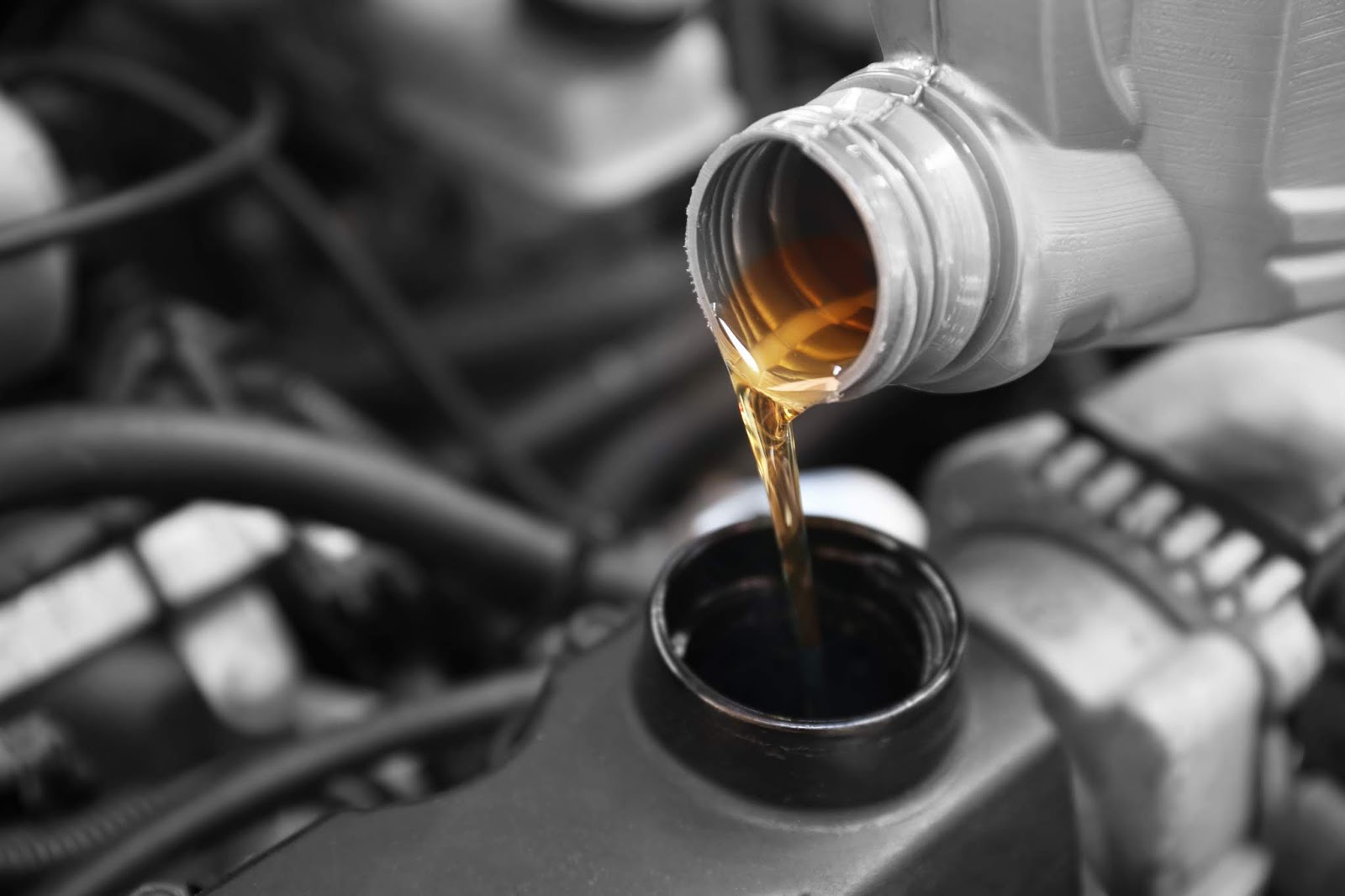
oil change in Orlando FL


Common Causes of a Car Burning Oil

This type of auto repair issue can be caused by things like:

  • Wear and tear of cylinder pistons
  • Sticking or worn oil control rings
  • Crankcase ventilation system defects
  • Poor-quality or incorrect motor oil
  • Worn or damaged valve stem seals
  • An external oil leak
  • Oil leaking into the cooling system
  • Oil leaking into the exhaust system

Each of these issues allows oil to escape where it shouldn’t or enter the engine’s combustion chamber, where it burns along with the fuel. Our Toyota of Orlando service team is breaking it down for you. 

Worn Piston Rings

Piston rings help seal the combustion chamber and control oil use inside the engine. As these parts wear down over time, oil can leak past the rings and enter the combustion chamber. Then it burns off during normal operation. This is one of the most common reasons for a car burning oil, especially in older, high-mileage rides.

Failing Valve Stem Seals

Valve stem seals keep oil from entering the engine cylinders through the valve train. When these seals wear out, oil can drip into the combustion chamber and burn during operation. A surefire sign of failing valve seals is blue smoke coming from the exhaust, especially when starting the engine after it's been sitting.

PCV System Problems

The Positive Crankcase Ventilation (PCV) system helps regulate engine pressure and emissions. If the PCV valve becomes clogged or fails, pressure can build up inside the engine and push oil into areas where it shouldn't be. Luckily, this is often one of the cheaper repairs associated with excessive oil consumption.

engine oil leak


Signs Your Car May Be Burning Oil

Wondering whether your car has an oil problem? Here are some common warning signs that can mean you’ve got a car burning oil:

Low Oil Levels Between Oil Changes

If you're constantly adding oil before your next scheduled service appointment, your car might be leaking oil internally.

Blue Exhaust Smoke

Blue or bluish-gray smoke from the tailpipe is one of the most obvious signs that your engine oil is burning during combustion.

Burning Oil Smell

A strong smell of burning oil, especially after driving, can mean that oil is leaking onto hot engine components or burning inside the engine.

Check Engine Light

In some cases, excessive oil consumption can trigger warning lights in your dash. This is due to fouled spark plugs, misfires, or emissions system issues.

Reduced Engine Performance

A car that burns oil can experience rough idling, reduced acceleration, poor fuel economy, or sluggish performance over time.

Is It Normal for a Car to Burn Oil?

This is one of the most common questions drivers ask - we hear it a lot at Toyota of Orlando! 

Luckily, most Orlando Toyota cars don’t experience excessive motor oil consumption until they hit the 100,000-mile mark or beyond. Modern Toyota engines are designed to minimize oil use and provide long-lasting performance.

While some manufacturers say that a small amount of excessive oil consumption is normal, most modern cars actually use very little oil between maintenance intervals. In fact, many experts estimate that most of the cars out there on the road don't require additional oil between regularly scheduled oil changes.

If your ride suddenly starts consuming oil when it didn’t before, it's worth having it inspected by one of our techs at Toyota of Orlando. 

Why Ignoring Excessive Oil Consumption Can Be Dangerous

Driving a car burning oil might seem like no big deal if you're simply topping off the oil level regularly, but ignoring the cause can create much bigger problems.

You would end up with:

  • Engine overheating
  • Increased engine wear
  • Damaged spark plugs
  • Catalytic converter failure
  • Reduced fuel efficiency
  • Expensive engine repairs
  • Complete engine failure

Oil is your engine's main lubricant. When the levels drop too low, metal parts can rub together, creating heat and causing major damage. That's why it's important to deal with oil consumption issues early rather instead of waiting until it’s a huge issue.

How Is Excessive Oil Consumption Diagnosed?

When you bring your vehicle into the Toyota of Orlando service center, our techs will perform several tests to find the cause of the problem. These include:

  • Checking for external oil leaks
  • Performing a compression test
  • Conducting a leak-down test
  • Inspecting spark plugs for oil deposits
  • Examining the PCV system
  • Monitoring oil consumption over a specific mileage interval
  • Inspecting exhaust emissions
Engine oil


These tests can help determine whether your oil is leaking externally or being burned internally by the engine.

How Much Does It Cost to Fix a Car Burning Oil?

When it comes to fixing this oil issue, it’s best to take your car to a trained tech. Our Toyota of Orlando auto service team can diagnose the problem and find the right fix. Unfortunately, excessive oil consumption isn't always cheap or easy to repair. Depending on the cause, repairs might include:

  • Replacing piston rings
  • Replacing valve stem seals
  • Repairing oil leaks
  • Replacing the PCV valve
  • Repairing cylinder components
  • Rebuilding or replacing the engine in severe cases


Repair costs can vary significantly depending on your issue and your car. Minor repairs may cost a few hundred dollars, while major engine repairs can range from $1,000 to $5,700 or more.

The Importance of Regular Oil Checks

One of the easiest ways to catch excessive oil consumption early is by checking your oil regularly. We recommend:

  • Checking your oil at least once a month
  • Checking before long road trips
  • Monitoring oil levels if your vehicle has over 100,000 miles
  • Following your Toyota maintenance schedule
  • Using the manufacturer-recommended oil grade

Taking a few minutes to inspect your oil can help prevent major engine problems down the road.

Visit Toyota of Orlando for Expert Auto Service

Unfortunately, an issue like excessive oil consumption can make or break your Orlando Toyota, which is why our auto service technicians recommend bringing it in at the first sign of a car burning oil problem.

The sooner the issue is diagnosed, the better your chances of avoiding costly engine damage and keeping your vehicle running reliably for years to come. If you're unsure if your car is experiencing excessive oil consumption or you just have questions about motor oil, maintenance schedules, or engine performance, visit Toyota of Orlando. Our factory-trained techs can inspect your car, figure out what’s going on, and help get you back on the road with confidence. We’re open seven days a week just off I-4 near the Mall at Millenia! 


Thursday, November 15, 2018

Common auto maintenance mistakes


Being an owner of an Orlando Toyota vehicle involves a lot more than just turning on your engine and putting it in drive. Your car is a machine that can take you wherever you need to go, but it also needs to be taken care of properly, so you can continue to drive. However, between work and other stresses that fill your day, probably one of the last things on your mind is auto maintenance. Often times, it’s easy to ignore your check engine light when you have to get to work in the morning, or your tire pressure light, or the fact that your windshield wipers are deteriorating. But, to keep your car in peak performance shape, Toyota of Orlando is here with a guide on auto maintenance you might forget about and why you shouldn’t.

Auto maintenance made easy at Toyota of Orlando.

Rotating your tires
A tire rotation is essential to keeping them wearing evenly over time and lasting longer. Our auto maintenance techs at Toyota of Orlando recommend rotating your tires every 5,000 – 10,000 miles, or whenever you get an oil change.

Oil changes
Depending on the grade of motor oil you’ve used in your Orlando Toyota car, you need to pay close attention the number of miles you have to go before your next oil change. The oil in your engine can break down over time and if not changed regularly it can cause your engine to malfunction and eventually fail. Make sure to have your oil changed when recommended to keep your car free of auto maintenance issues.

Rear windshield
Many drivers likely use an ammonia-based window cleaner to clean their front and rear windshields. Unfortunately, using window cleaner on your rear windshield can deteriorate the small heating elements used to defrost the glass. Our auto maintenance techs at Toyota of Orlando recommend using a specific automotive glass window cleaner.

Windshield wipers
Rain shower after rain shower can wear your windshield wipers out over time and leave you unable to see during low visibility conditions. Luckily, replacing your windshield wipers is quick and easy for your Orlando Toyota vehicle. Our auto service techs can get you a replacement pair for an affordable price.

Brakes
Without your Orlando Toyota brakes, there would be no way to stop your vehicle while out driving. Many drivers ignore signs like squealing or grinding that indicate worn out brakes. Make sure to have these checked by one of our auto maintenance techs.

Tire pressure
The pressure in your tires is difficult to tell just by looking at them. Make sure to diligently check your tires for the proper pressure level and use a tire pressure gauge. Your tires can lose pressure over time and when the temperature around them changes.

Solutions to your auto maintenance issues at Toyota of Orlando

At Toyota of Orlando, we know that keeping up with auto maintenance issues can be a bit time consuming and difficult to attend to. So, let us make it easy! Our auto service techs are here to help with whatever your vehicle needs. Give us a call at (407) 298 – 0001 for more information!


Wednesday, November 7, 2018

Common exhaust system issues


Typically associated with tailpipes, your Orlando Toyota exhaust system is an integral part of your vehicle and performs more tasks than just being a pretty set of pipes. Your vehicle’s exhaust system is responsible for transporting toxic fumes from your engine compartment created during combustion and converting it into a less harmful gas. Without your exhaust, your vehicle wouldn’t be able to work properly. Like every other part of your Orlando Toyota car, your exhaust system is no stranger to technical issues. Luckily, if you’re unsure on how to troubleshoot your vehicle’s exhaust, Toyota of Orlando is here with an easy to follow guide on common exhaust system issues.

Exhaust system issues explained by Toyota of Orlando.

Poor acceleration and power
Your Orlando Toyota vehicle’s performance relies heavily on the exhaust. A lack of performance and acceleration power is often indicative of an exhaust issue. This is likely caused by an exhaust leak and can lead to worse issues in the future if left unchecked.

Bad fuel efficiency
Consequently, poor acceleration and power will ultimately lead to poor fuel efficiency for your vehicle. Your engine will begin to overcompensate for the lack of power and acceleration and ultimately cause your vehicle to experience bad fuel efficiency.

Burning smell from the engine
Your exhaust system covers are a large area from your engine compartment to the undercarriage and the rear of your vehicle. If a gasket in your engine compartment should fail, the exhaust fumes will start to burn plastic wiring components. This could also lead to a burning smell and visible smoke. Our Orlando auto service techs recommend having this inspected immediately to prevent further damage.

Loose or hanging tail pipe
Often times, parts that are used to hold your vehicle’s exhaust up can get damaged and cause the pipes of the system to drag on the road. To save your system from getting a leak or breaking off and become debris on the road, make sure to visit our Orlando auto service center as soon as possible.

Noisy engine
A common telltale sign of exhaust issues is a noisy engine. Exhaust leaks can lead to excess engine car sounds that sound like hissing or tapping. This is often an issue with the manifold gasket and the sound can be heard most clearly during a cold start.

Smell of gas in the cabin
If you smell gasoline or exhaust fumes in the cabin of your Orlando Toyota vehicle, this means that your exhaust system is experiencing a bad leak. You should bring your vehicle to one of our auto service experts to be inspected immediately. An issue like this could lead to carbon monoxide leaks inside your cabin and could prove fatal!

Visit Toyota of Orlando for a fix to all your exhaust system issues

Your vehicle’s exhaust is an important part that can affect every other aspect of your car. If any of these symptoms should pop up throughout your drive, makes sure to visit our expert auto service center at Toyota of Orlando. Give us a call at (407) 298 – 0001 to set up an appointment today!

Thursday, November 1, 2018

Car sounds and feelings that could spell trouble for your vehicle


Everyone’s Orlando Toyota car is equipped with dashboard warning lights that let you know something’s wrong. But, one warning system that we as drivers usually take for granted is car sounds and feelings. Has your car ever made a squealing sound while turning or your wheel shaken while braking? Most Orlando Toyota drivers experience car sounds and feelings if there’s something wrong under the hood or in the undercarriage. While it’s often difficult to determine what exactly is going wrong from simple sounds, they can help you when it comes to scheduling repairs and service. Toyota of Orlando is here to help you make sense of all the noise, so you can be more aware of what’s ailing your ride.

Car sounds explained by Toyota of Orlando.

Car sounds explained

Squeals: Squealing sounds are fairly common when it comes to car sounds. They can come from a variety of places and it makes them difficult to pinpoint, unfortunately. But, listening to when and where the sound is coming from can give you a good idea. If the squealing starts when you start the engine, it could be coming from a worn belt. If it happens when you hit the brakes, then it’s likely a worn brake pad.
Grumpy cat car sound: While it’s not a technical name for the sound, this one will happen when you try to start the engine. The usual cause for this is your Orlando Toyota engine’s battery is running out of power. If you hear this sound, bring your car by to our auto service center.
Rear rumble or roar: A roaring sound with a rumbling feeling in the driver’s seat usually spells exhaust system trouble. What’s likely happening is a leak somewhere in your exhaust system that’s causing excess noise to get into the cabin instead of the muffler. While the car sound may not seem like much of an issue, this could cause lethal carbon monoxide to leak into the cabin. Make sure to have a Toyota of Orlando auto service tech check this out immediately.
Flapping: If you hear a flapping sound when running your A/C, this could be caused by a worn out or loose ventilation flap. This auto maintenance issue isn’t a serious one, but the car sound can get quite annoying.
Yawning: When turning your steering wheel, your Orlando Toyota car makes a sound like a yawning or groaning. This is likely caused by a power steering system issue.

Auto repairs and maintenance made easy at Toyota of Orlando

Car sounds can tell you a lot about any issues that may be going on under the hood. So, let us take a listen! At Toyota of Orlando, our expert auto service techs are well trained to identify strange engine noises. We can figure out what’s going on and get your vehicle fixed up, so you can get back on the road. Visit us at 3575 Vineland Road, jus off I-4 near the Millenia Mall, seven days a week!